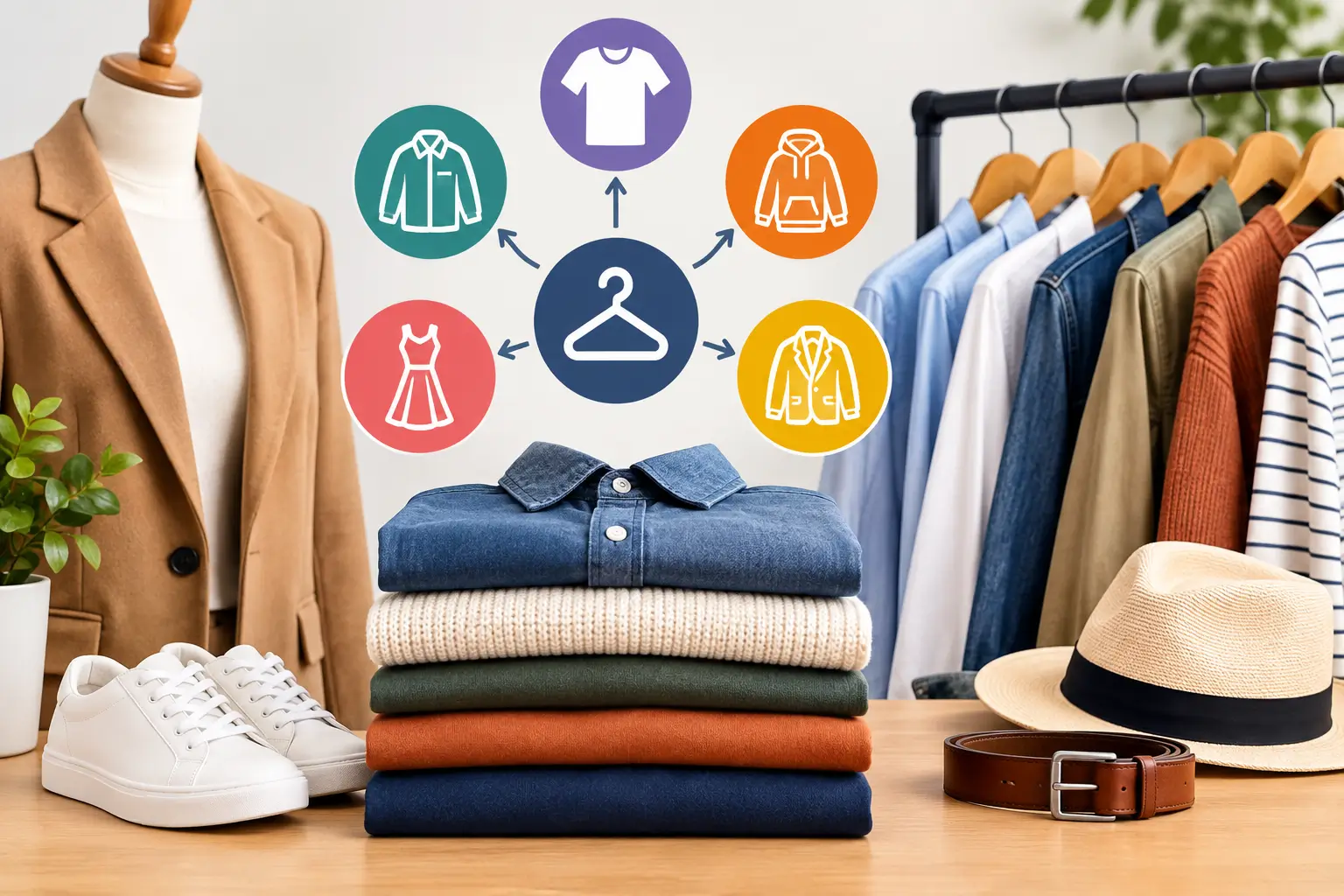
A synonym for apparel is any word that means clothing or things people wear on their body. Common apparel synonyms include clothing, garments, attire, outfit, and wardrobe. People use these words in fashion, shopping, and daily talk to describe shirts, pants, dresses, and other clothing items.
Introduction
Picture a small shop window on a busy street. A sign reads “New Apparel In Stock.” You stop. You look at the shirts and jackets inside. That one word, apparel, pulled you in. Words shape how we see things, even simple things like clothes.
Here is a real-life example. A fashion blogger writes the same sentence five times in one post: “This apparel is trendy.” Readers get bored fast. She needs other words. She picks attire, garments, and outfit instead. Her post feels fresh again.
Learning an apparel synonym helps in many ways. For students, it builds a stronger vocabulary for essays. For bloggers, it keeps posts from sounding repetitive. For content writers, it boosts SEO and reader interest. For daily English users, it makes small talk about clothes sound natural and smart.
“Clothes make the man,” wrote Mark Twain, showing how deeply words about clothing connect to identity.
Fashion changes every season, but the words we use to describe it can change too. “Style is a way to say who you are without having to speak,” said designer Rachel Zoe.
1. Clothing
- Meaning: Clothing means anything a person wears to cover their body.
- Examples: She donated old clothing to the shelter. Winter clothing keeps you warm outside.
2. Clothes
- Meaning: Clothes are items people wear like shirts and pants.
- Examples: He packed his clothes for the trip. My clothes are drying on the line.
3. Garments
- Meaning: Garments are pieces of clothing, often used in formal talk.
- Examples: The tailor fixed two torn garments. These garments need gentle hand washing only.
4. Attire
- Meaning: Attire means clothing worn for a certain place or event.
- Examples: Wear formal attire to the wedding. Business attire is required at work.
5. Outfit
- Meaning: An outfit is a full set of clothes worn together.
- Examples: She picked a bright outfit today. That outfit looks great on you.
6. Wardrobe
- Meaning: A wardrobe is all the clothes a person owns.
- Examples: He updated his wardrobe this fall. Her wardrobe has many bold colors.
7. Garb
- Meaning: Garb is clothing, often linked to a role or style.
- Examples: The actor wore medieval garb on stage. Hiking garb includes boots and jackets.
8. Dress
- Meaning: Dress can mean clothing in general, not just gowns.
- Examples: Casual dress is fine for this event. Formal dress was required last night.
9. Wear
- Meaning: Wear refers to clothes made for a certain use.
- Examples: This store sells only rain wear. Sports wear should feel light and stretchy.
10. Costume
- Meaning: A costume is clothing worn for a show or event.
- Examples: The kids wore fun Halloween costumes. Her costume won first prize easily.
11. Threads
- Meaning: Threads is a slang word for cool clothing.
- Examples: Nice threads, where did you shop? He showed off his new threads.
12. Gear
- Meaning: Gear means clothing or equipment for a specific activity.
- Examples: Pack your ski gear tonight. Her running gear is bright yellow.
13. Ensemble
- Meaning: An ensemble is a matching set of clothes.
- Examples: She wore a stylish blue ensemble. That ensemble fits the party theme.
14. Vestments
- Meaning: Vestments are special clothes worn during religious ceremonies.
- Examples: The priest put on his vestments. Vestments often show rich, deep colors.
15. Raiment
- Meaning: Raiment is an old word meaning clothing or attire.
- Examples: The poem described her fine raiment. Royal raiment was made from silk.
16. Habiliments
- Meaning: Habiliments is a formal, older word for clothing.
- Examples: His habiliments looked old-fashioned yet elegant. The museum displayed historic habiliments carefully.
17. Togs
- Meaning: Togs is a casual British term for clothes.
- Examples: Grab your swimming togs, please. His togs were soaked from rain.
18. Duds
- Meaning: Duds is a fun, informal word for clothes.
- Examples: I need new duds soon. Her duds smelled like fresh laundry.
19. Get-up
- Meaning: A get-up is an unusual or noticeable outfit.
- Examples: What’s with that strange get-up today? Her party get-up turned every head.
20. Regalia
- Meaning: Regalia means fancy clothing worn for special occasions.
- Examples: Graduates wore their school regalia proudly. Royal regalia included a golden crown.
21. Uniform
- Meaning: A uniform is matching clothing worn by a group.
- Examples: Students must wear their school uniform. The nurse changed into her uniform.
22. Accoutrements
- Meaning: Accoutrements are extra clothing items or accessories.
- Examples: He packed his hiking accoutrements carefully. Her outfit needed a few accoutrements.
23. Fashion
- Meaning: Fashion means popular clothing styles at a certain time.
- Examples: She follows fashion trends closely. This fashion looks great this season.
24. Clobber
- Meaning: Clobber is British slang for personal clothing.
- Examples: He left his clobber on the floor. Grab your clobber before we leave.
25. Kit
- Meaning: Kit means a set of clothes for sport or work.
- Examples: The team wore their new kit. Pack your work kit tonight.
26. Rig
- Meaning: Rig is a casual word for an outfit.
- Examples: That’s a sharp rig you’re wearing. He bought a new rig yesterday.
27. Suit
- Meaning: A suit is matching formal jacket and trousers.
- Examples: He wore a gray suit today. Her suit fit her perfectly.
28. Robes
- Meaning: Robes are long, loose garments worn for comfort or ceremony.
- Examples: Judges wear black robes in court. She relaxed in soft cotton robes.
29. Finery
- Meaning: Finery means expensive or fancy clothing.
- Examples: She dressed in her best finery. The ball demanded elegant evening finery.
30. Trappings
- Meaning: Trappings are outer clothes that show status or style.
- Examples: He enjoyed the trappings of success. Royal trappings included jewels and silk.
31. Habit
- Meaning: A habit is clothing worn by monks or nuns.
- Examples: The nun wore a simple habit. Her riding habit looked very elegant.
32. Livery
- Meaning: Livery is a uniform worn by servants or staff.
- Examples: The driver wore smart livery. Hotel staff wear matching livery daily.
33. Sportswear
- Meaning: Sportswear is clothing made for exercise or sports.
- Examples: She bought new sportswear online. Sportswear should feel comfortable and breathable.
34. Casualwear
- Meaning: Casualwear means relaxed clothes for everyday use.
- Examples: He prefers casualwear on weekends. This store sells trendy casualwear only.
35. Activewear
- Meaning: Activewear is clothing designed for workouts and movement.
- Examples: Her activewear looks bright and sporty. Activewear sales rise every January.
36. Streetwear
- Meaning: Streetwear is casual, trendy urban fashion clothing.
- Examples: He loves collecting rare streetwear. Streetwear brands often sell out fast.
37. Formalwear
- Meaning: Formalwear is clothing worn for formal, serious events.
- Examples: Rent formalwear for prom night. Formalwear stores get busy in June.
38. Eveningwear
- Meaning: Eveningwear is elegant clothing worn at night events.
- Examples: She chose black eveningwear tonight. Eveningwear often includes long gowns.
39. Loungewear
- Meaning: Loungewear is soft, comfy clothing worn at home.
- Examples: He relaxed in cozy loungewear. Loungewear sales grew during winter months.
40. Sleepwear
- Meaning: Sleepwear is clothing worn specifically for sleeping.
- Examples: She bought new flannel sleepwear. Kids’ sleepwear should be flame resistant.
41. Underclothes
- Meaning: Underclothes are garments worn beneath outer clothing.
- Examples: Pack extra underclothes for the trip. Underclothes should fit comfortably and softly.
42. Outerwear
- Meaning: Outerwear is clothing worn over other clothes outside.
- Examples: Winter outerwear must be warm. Her outerwear had a thick lining.
43. Footwear
- Meaning: Footwear refers to shoes and other things worn on feet.
- Examples: Choose sturdy footwear for hiking. This shop sells stylish footwear only.
44. Menswear
- Meaning: Menswear means clothing designed and sold for men.
- Examples: The store expanded its menswear section. Menswear trends shift every season.
45. Womenswear
- Meaning: Womenswear means clothing designed and sold for women.
- Examples: She works in womenswear design. Womenswear sales rose this spring.
46. Childrenswear
- Meaning: Childrenswear means clothing made specifically for kids.
- Examples: They opened a childrenswear boutique downtown. Childrenswear must be soft and safe.
47. Cloak
- Meaning: A cloak is a loose outer garment without sleeves.
- Examples: He wrapped himself in a cloak. Her cloak kept out the wind.
48. Vesture
- Meaning: Vesture is a poetic, older word for clothing.
- Examples: The story described her simple vesture. His vesture matched the season’s mood.
49. Array
- Meaning: Array can mean an impressive or grand display of clothes.
- Examples: She stood there in fine array. His wedding array impressed every guest.
50. Weeds
- Meaning: Weeds is an old term for mourning clothes.
- Examples: The widow wore black mourning weeds. Old texts often mention funeral weeds.
Choosing the right clothing apparel synonym does more than avoid repetition — it also helps readers picture the exact style, mood, or setting you mean, from a strict uniform to soft loungewear.
Apparel Meaning
Apparel simply means clothing — anything people wear to cover or decorate their body. It covers shirts, pants, dresses, jackets, and shoes. The word often sounds a little more formal than “clothes,” so you will spot it in store names, product tags, and fashion articles. Knowing the apparel meaning helps you understand signs, labels, and shopping websites without confusion. It’s a simple, useful word for everyday English learners.
Apparel Pronunciation
Many learners ask how to say this word correctly. Apparel is pronounced “uh-PAIR-uhl,” with the stress on the second syllable. It rhymes loosely with “barrel.” Saying it wrong is common, so practice slowly: uh, PAIR, uhl. Once you say it a few times out loud, it becomes easy to remember. Correct apparel pronunciation helps you sound confident in interviews, presentations, or casual conversations about fashion and shopping.
Apparel Antonyms
Antonyms are opposite words. For apparel, common antonyms include “nakedness,” “nudity,” or simply being “unclothed.” These words describe the state of wearing no clothing at all. While apparel refers to items you wear, its antonyms describe the absence of clothing entirely. Understanding apparel antonyms rounds out your vocabulary and helps with writing tasks, quizzes, or comparisons where opposite meanings matter for clarity and contrast.
Apparel Store Synonyms
Looking for other names for an apparel store? Try “clothing store,” “boutique,” “fashion outlet,” or “garment shop.” Each term carries a slightly different feel — a boutique sounds small and stylish, while an outlet suggests discounts. Bloggers and marketers often swap these words to keep product descriptions fresh. Knowing apparel store synonyms helps you write better shopping guides, reviews, and local business descriptions without repeating the same phrase.
Apparel in French
In French, apparel translates to “vêtements” for clothing in general, or “habillement” for apparel as an industry term. If you’re writing for a French-speaking audience or studying the language, these words are useful additions to your vocabulary. Fashion brands operating internationally often use both English and French terms. Learning apparel in French can also help with travel, shopping abroad, or understanding fashion labels from French designers.
How do you say “clothes” in a fancy way?
To sound fancier, swap “clothes” for words like attire, garments, ensemble, or raiment. These words appear often in formal writing, wedding invitations, and fashion magazines. For example, instead of “wear nice clothes,” you could say “wear elegant attire.” Using fancier words instantly lifts the tone of your sentence. They work well in essays, speeches, or professional emails where a more polished vocabulary makes a stronger impression on readers.
What does “apparel” mean?
Apparel means clothing — any item worn to cover the body, such as shirts, pants, dresses, or jackets. It is a slightly formal word, commonly used in store names, product labels, and fashion writing. For example, a store might sell “men’s apparel” instead of just “men’s clothes.” The word doesn’t change the meaning of clothing itself; it simply offers a more polished, professional-sounding alternative for everyday use in writing and speech.
What is a fancy name for fashion?
Fashion can also be called style, couture, vogue, or trend. “Couture” often refers to high-end, custom-made clothing, while “vogue” suggests something currently popular. Writers use these words to avoid repeating “fashion” too many times in an article. For instance, “the latest vogue in sneakers” sounds more engaging than repeating “fashion” again. These fancy alternatives add variety and depth to fashion writing, marketing copy, and casual conversation alike.
What is a slang word for clothing?
Common slang words for clothing include threads, duds, clobber, and gear. These informal terms are popular in casual talk, music lyrics, and social media captions. For example, someone might say, “Check out my new threads” instead of “Check out my new clothes.” Slang words like these add personality and a relaxed tone to writing or speech. They’re great for blogs, chats, or content aimed at younger, casual audiences.
Conclusion
Learning a new apparel synonym does more than expand your word list — it sharpens your whole writing style. Strong vocabulary makes blog posts more engaging, essays more persuasive, and everyday conversations more colorful. Instead of repeating “clothes” or “apparel” again and again, you now have fifty fresh options, from simple words like garments to playful slang like threads.
Try using a few of these words this week. Swap one plain word in your next email, essay, or social post. Small changes like this build big confidence over time. Speaking and writing well is a skill, and skills grow through practice, not luck.
“The only way to learn a new language, and I truly believe this, is by reading,” said Stephen King, reminding us that exposure to varied words builds real fluency over time.
“Words are, of course, the most powerful drug used by mankind,” wrote Rudyard Kipling, a reminder that even simple word choices carry real weight.
So next time you write about clothing, reach for a synonym instead. Your readers — and your own writing confidence — will thank you for it.

Emily writes simple, useful, and reader-friendly content, helping LexoraHubs provide valuable information to its audience.